

Blog
The Anatomy of a Perfect Shooting Vest

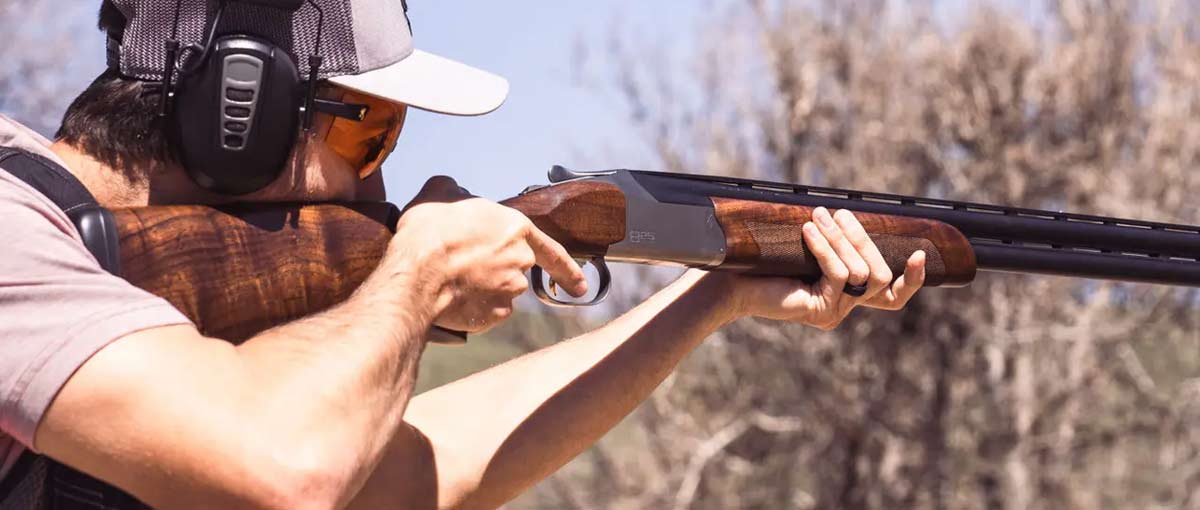
In competitive sport shooting—be it trap, skeet, or sporting clays—precision is everything. When a single clay target makes the difference between the podium and the parking lot, you don’t leave anything to chance. Shooters obsess over their gun fit, their ammunition selection, and their mental game, yet they often overlook the single most crucial piece of equipment that connects the shooter to the gun: the shooting vest.
A vest is not just an accessory; it is a vital technical tool. It serves as the foundation for your mount, the organizer of your gear, and your first line of defense against fatigue. At On-Target Sportswear, we understand that every stitch serves a purpose. Here is a look at the key anatomy of a high-performance shooting vest and why those design choices directly impact your score.
1. The Right Shoulder (and the ‘Mount Point’)
The primary job of a vest is to provide a consistent, snag-free surface for mounting the shotgun.
-
Material Matters: The “pad” area (usually on the right shoulder for righties, left for southpaws) should be constructed of a durable material like suede, leather, or a specific textured synthetic. It must have the perfect balance: smooth enough to allow the gun butt to glide up without catching, but with enough friction to “grip” and anchor the gun securely once it’s locked into the pocket.
-
Recoil Management: Inside the shoulder area, there is typically a pocket designed to hold a recoil reducing pad (often Gel or AlphaSorb). Reducing the physical impact of 100 or 200 shots per day doesn’t just protect your collarbone; it significantly reduces the shooters’ fatigue, prevents flinching, and keeps your eyes focused during a long competition.
2. Intelligent Pockets (Capacity and Distribution)
A full box of 25 shotgun shells is heavy. A vest must accommodate that weight without sagging or distorting its shape.
-
Bellows Design: Look for “bellows” or pleated pockets. This design allows the pocket to expand outward to comfortably hold a whole box (or sometimes two) of shells without bulk. It should maintain its rigid shape even when empty, allowing you to quickly index and pull a shell without looking.
-
Divided Interiors: Competitive vests often have divided pockets, allowing you to separate different shell types (e.g., standard trap loads versus a handicap load for that final shot) or simply to keep empty hulls separate.
-
Weight Distribution: The best vests are designed to rest high on the hips. By using technical materials, the weight of the shells is distributed evenly across your core, rather than pulling down on your shoulders or neck, which can cause muscle tension that destroys a smooth swing.
3. Freedom of Movement (The Cut and the Waist)
A common mistake in non-specialized sportswear is a restrictive fit. A proper shooting vest requires an athletic cut specifically for this discipline.
-
The Two-Way Zipper: This is non-negotiable for serious shooters. When sitting between stations or bending over to pick up hulls, a standard zipper can cause the entire vest to “bunch up” at the neck, disrupting your posture and comfort. A two-way zipper allows you to “unzip” from the bottom up, keeping the collar in the perfect position.
-
Adjustable Waist Tabs: A vest that is too loose swings and shifts, while a vest that is too tight restricts breathability. Side adjustment tabs (either Velcro or snaps) let you achieve a perfect tailored fit, whether you are wearing it over a t-shirt in July or a thick fleece in October.
4. Ventilation and Fabric Technology
Fatigue is the enemy of the shooter, and nothing accelerates fatigue faster than overheating. In a warm climate, you cannot afford to trap heat. Modern technical vests utilize heavy-duty synthetic mesh panels on the back or sides to ensure maximum airflow, allowing sweat to evaporate quickly.
The Conclusion: The On-Target Advantage
Every component mentioned—the texture of the shoulder patch, the weight of the mesh, the depth of the bellows pocket—is a decision made based on shooter feedback. When you pull on an On-Target Sportswear vest, you aren’t just getting a uniform; you are putting on a calculated advantage.